Guides · Port Richey, Florida
Port Richey by the Numbers: What the Census Says
The census is a blunt instrument, but it draws a clear outline of Port Richey. Here is what the numbers say about the 3,229 people who call the city home.
The Shape of the Place
Port Richey is small. The population sits at 3,229, and the median age is 49.4 years. This is not a town of newcomers finding their footing; it is a settled place, older and quieter than the sprawl around it.
The housing stock tells a similar story. There are 1,857 total housing units in the city. Of those, 397 are vacant. That is a vacancy rate just over 21 percent, which is high for a place that is not a seasonal resort town. It suggests a housing market that turns over slowly, with properties that sit empty between owners or renters.
Still, 265 units are held for seasonal or recreational use. That is a meaningful slice—roughly one in seven homes—and it points to the river’s pull. People keep a place here for the water, even if they do not live in it year-round.
The River and the Numbers
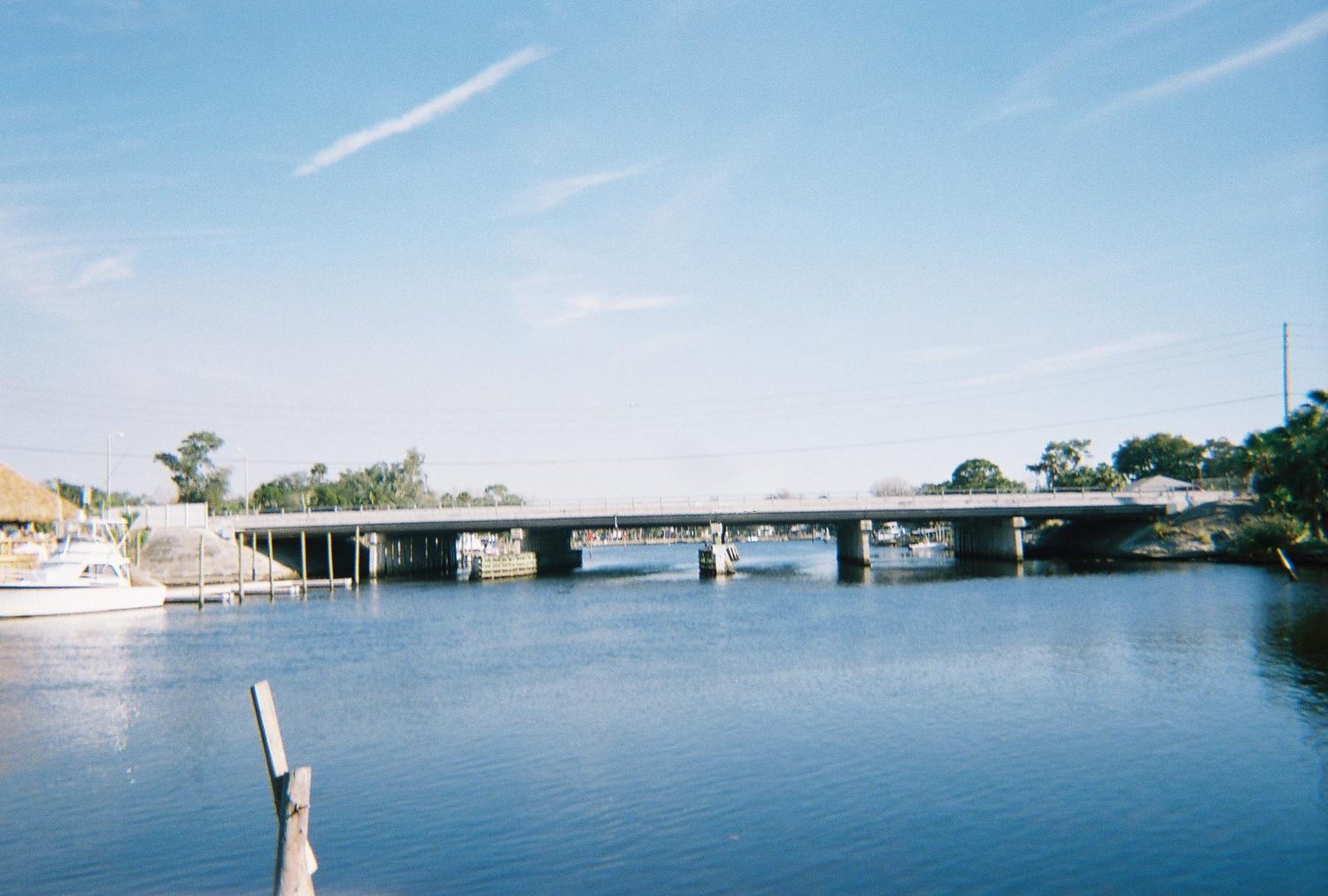
The Pithlachascotee River made this city. Aaron M. Richey arrived from St. Joseph, Missouri, in 1883 and settled near the river’s mouth. He opened a post office on 9 July 1884, and the settlement took his name. The city incorporated in 1925, a year after New Port Richey did the same upriver. The motto still reads On the Beautiful Pithlachascotee River.
That history is not just nostalgia. The seasonal homes and the retirees who make up the median age both track to the riverfront. The water is the reason the town exists, and it remains the reason people buy a second home here.
Johnny Cash kept a house on the river here from 1979 until 2002. That is a fact, not a hook. He lived here for twenty-three years, and the town does not need to lean on him to stand on its own.
Money and Work
The median household income is $45,435. That is modest, and it shapes what Port Richey can support. The unemployment rate is 7.4 percent, which is above the national average and a sign that the local economy does not offer a deep bench of jobs.
Education levels are mixed. Nearly 30 percent of residents hold a bachelor’s degree or higher—29.9 percent, to be exact. That is a solid share for a small city, and it suggests a population that commutes out for professional work or lives on retirement income rather than relying on local employers.
Home values reflect the trade-off. The median home value is $256,500. That is affordable by Florida standards, especially for a waterfront town. The median gross rent is $982, which is also moderate. The gap between income and housing costs is not extreme, but it is tight enough that the vacancy rate makes sense. People hold onto property here, and they are not in a hurry to sell.
What the Census Does Not Say
The numbers do not capture the feel of the place. They do not show the way the river slows everything down, or how the town’s identity stays tied to that water despite the strip malls and the enclosed shopping center just north of the city limits.
The census does not measure the quiet. It does not count the afternoons spent on a dock, or the fact that this is a town where people know the river by its full name—Pithlachascotee—and shorten it only because they have to. The data gives you the bones: an older population, a modest income base, a housing stock with room to breathe.
Port Richey is not growing fast, and it is not trying to. The numbers show a city that has settled into itself. The river is still the reason to be here, and the census, for all its dry tables, backs that up. The people who live here are the ones who chose the water over the rush. That is not a statistic, but it is the truth behind the ones above.
Every business named above is one we hold a listing for, and every date traces to a source on our sources page. We do not describe menus, interiors or service we have not verified. Details change — confirm before you travel.